


Product Introduction
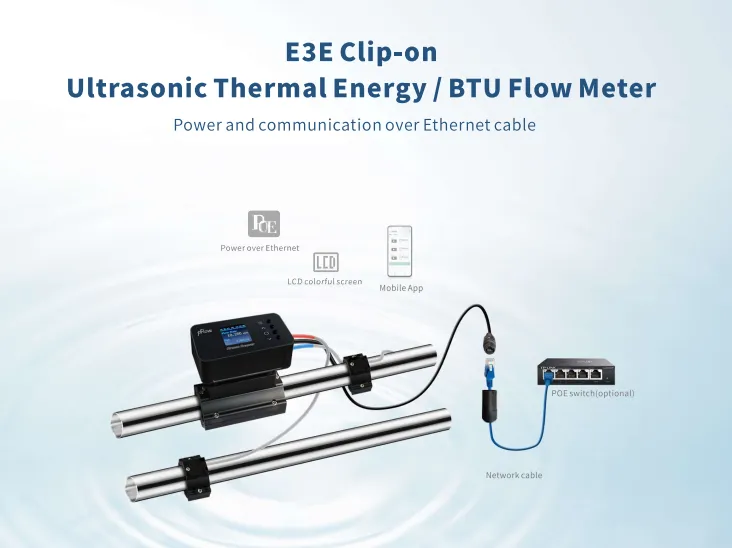
The E3E flow meter for aquaculture gracefully embraces the magnificent ultrasonic time difference measurement principle, which is synergistically blended with our awe-inspiring ultrasonic signal processing technology and unparalleled flow and energy algorithm. Through this seamless fusion, we embark upon an exhilarating expedition towards achieving unparalleled precision in the measurement of fluid flow and energy within the vibrant corridors of pipelines. Behold the profound elegance of our product - an amalgamation of innovation and simplicity, manifested through its resplendent integrated clamp-on structure design. Installing this marvel is a breeze, as it gracefully weaves its way into the fabric of your system. With a mere four steps, it awakens, empowered to commence its sacred mission of measurement. Throughout the installation process, it remains a gracious observer, requiring no contact with the fluid medium, ensuring a seamless flow of production.
Unleashing the full potential of the instrument, it harnesses the remarkable powers of POE power supply and Ethernet communication, allowing it to transcend the boundaries of conventional data storage. With ethereal grace, it brings forth the gateway to the celestial realm of cloud data storage. Users are bestowed with the divine ability to access this ethereal sanctuary anytime, anywhere, whether through the divine intervention of mobile terminals or the sacred presence of PC terminals. Within this hallowed ground, they possess the power to meticulously manage, astutely analyze, and thoughtfully query the precious monument of measurement data information, their every wish enveloped in a symphony of efficiency and ease. Thus, the world becomes their grand canvas, upon which they can paint the portrait of data-driven success.
Product Parameter
Appearance
Feature
- Easy installation, No pipe rework or damage
- No adjustment, Clip on to measure
- LCD colorful display screen
- High-precision matching temperature sensor
- 360° rotation adjustable display screen
- Power and communication over Ethernet cable, safe and convenient
Technical Parameters
|
Performance Specifications |
|
|
Flow velocity |
0.03~5.0 m/s |
|
Pipe Size |
DN20~DN80 |
|
Measured medium |
water |
|
Pipe Material |
Carbon steel, Stainless Steel, Copper, PVC (According to the user's model selection, the model has been determined at the time of delivery.) |
|
Accuracy level |
±2% |
|
Temperature range |
4~95℃ |
|
Temperature difference range |
3~75K |
|
Temperature resolution |
0.01℃ |
|
Function Index |
|
|
Input interface |
2*PT1000 Clamp-on temperature sensor 0~100℃(32~212℉) |
|
Support Protocol |
HTTP, MQTT Protocol |
|
Power supply |
Power over Ethernet |
|
Keyboard |
4 touch keys |
|
Display screen |
1.44 " LCD colorful screen, resolution 128 * 128 |
|
Temperature |
Transmitter installation ambient temperature: 14 °F to 122 °F ( –10℃ ~ 50℃ ) Transducer measures medium temperature: 32 °F to 140 °F ( 0℃ ~ 60℃ ). |
|
Humidity |
Relative humidity 0~99%, No condensation |
|
IP Rating |
IP54 |
|
Installation Method |
Nylon self-locking cable ties for quick clamping |
|
Physical Characteristics |
|
|
Transmitter |
Integrated |
|
Transducer |
Clamp-on |
|
Cable |
POE waterproof cable, standard length:0.5m Temperature sensor cable, standard length:2m |
Product Applications

Abstract:
Indoor aquaculture has gained significant popularity due to its ability to provide controlled environments and maximize production efficiency. The use of flow meters in indoor aquaculture systems offers several advantages that contribute to enhancing water quality, monitoring production processes, and maximizing overall profitability. This article aims to explore the application advantages of flow meters in indoor aquaculture and their impact on water quality management, fish health monitoring, resource optimization, and environmental sustainability.
Introduction
Indoor aquaculture is a rapidly growing industry that involves the cultivation of aquatic organisms in controlled environments. The key challenge faced by aquaculture operators is maintaining optimal water quality parameters to ensure the well-being and growth of fish or other aquaculture species. Flow meters play a crucial role in achieving this objective by providing real-time information about water flow rates, facilitating accurate monitoring, and enabling precise control of important factors.
Water Quality Management
Aquaculture flow meter are an indispensable tool for effectively managing water quality in indoor aquaculture systems. They allow operators to measure and control parameters such as water pH, dissolved oxygen (DO) levels, temperature, and ammonia. By continuously monitoring these parameters, operators can promptly detect and address any deviations, preventing potential harm to the aquaculture species. Flow meters enable precise adjustments in water flow rates, providing optimal oxygenation and nutrient delivery, while simultaneously ensuring proper waste removal.
Fish Health Monitoring
Aquaculture flow sensor aquaculture contribute significantly to fish health monitoring in indoor aquaculture. By measuring water flow rates, operators can detect any fluctuations that may indicate issues such as clogged filters, blockages, or equipment malfunctions. Timely identification of such problems helps maintain consistent water flow and prevents harmful effects on fish health. Additionally, flow meters aid in quantifying feed intake and growth rate, enabling operators to optimize feeding protocols for better fish health and efficient feed utilization.
Resource Optimization
Efficient resource utilization is crucial in indoor aquaculture to maintain profitability and sustainable production practices. Flow meters provide accurate measurement of water usage, enabling operators to optimize water consumption, reduce waste, and conserve resources. By monitoring and controlling water flow, unnecessary water losses can be minimized, and water reuse systems can be effectively implemented. This contributes to significant cost savings and promotes environmental sustainability.
Environmental Sustainability
Indoor aquaculture aims to minimize the environmental impact associated with traditional open-water farming. Flow meters aid in maintaining environmental sustainability by ensuring efficient water usage and reducing the release of pollutants. They assist in tracking water quality parameters that directly affect ecosystem health and prevent the discharge of unwanted chemicals or excessive nutrients into the environment. Flow meters also provide data for evaluating the overall environmental impact of aquaculture operations, facilitating the adoption of measures to mitigate any detrimental effects.
Automation and Control
Flow meters integrate seamlessly with automation and control systems in indoor aquaculture facilities. By providing real-time flow rate data, they enable automatic adjustments of water supply, heating, and aeration systems. This automation ensures consistent and optimized operating conditions, reducing manual intervention and enabling better productivity. Flow meters can also be integrated with alarm systems to alert operators in the event of abnormal flow conditions, contributing to proactive management practices.
Data Collection and Analysis
Aquaculture flow meter generate valuable data that can be collected and analyzed to improve production processes and decision-making. They provide insights into water usage patterns, assist in identifying areas for improvement, and support the optimization of operational strategies. The data collected from flow meters can be combined with other environmental and production parameters to develop comprehensive models for predictive analytics, allowing better planning and resource allocation.
Conclusion
Flow meters play a vital role in indoor aquaculture, offering numerous advantages in water quality management, fish health monitoring, resource optimization, and environmental sustainability. Their accurate measurement capabilities, integration with automation systems, and contribution to data-driven decision-making make them an indispensable tool for ensuring efficient and profitable indoor aquaculture operations. By harnessing the potential of flow meters, aquaculture operators can enhance productivity, minimize environmental impact, and contribute to the sustainable growth of the industry.
Product Qualification
With an illustrious history spanning over thirty years, Gentos has solidified its standing as a distinguished producer of ultrasonic flow meters. Renowned for their impeccable craftsmanship and compelling pricing strategies, Gentos has earned a sterling reputation in the industry.
As we forge ahead in advancing our product portfolio, we remain resolute in our commitment to augment functionality and transcend the thresholds of quality and performance.
At Gentos, we actively engage in a symbiotic relationship with our esteemed customers, valuing their valuable insights and contributions throughout the design process.
This collaborative ethos has enabled Gentos to carve out a distinctive niche in the industry, harmoniously merging reliability with efficiency.
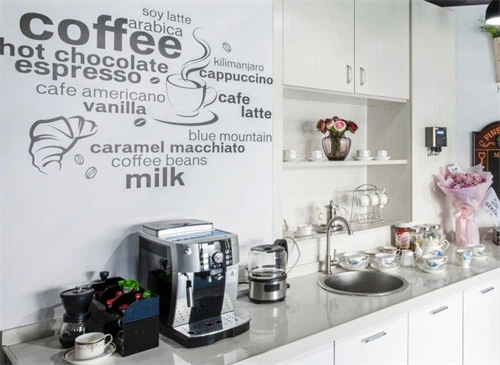
Company environment display:


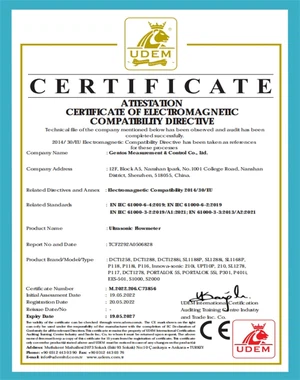
Certificate display:



Deliver, Shipping, and Serving


Shipping
Adhering to a philosophy rooted in customer satisfaction, Gentos has unveiled an expeditious delivery system, ensuring the prompt arrival of coveted products. With unparalleled efficiency, Gentos expedites order processing and swift product dispatch within an admirable timeframe of 2 to 3 days. Boasting an extensive array of transportation and express delivery options, Gentos caters to a wide spectrum of customer needs.
FAQ
Q: How does an ultrasonic flow meter work in aquaculture?
A: An ultrasonic flow meter measures flow rates by transmitting ultrasonic waves through the fluid. It uses the principle of transit-time to calculate the flow velocity. By sending ultrasonic signals upstream and downstream, the meter measures the time difference between the two signals. This time difference is then used to calculate the flow rate of the water, providing accurate measurements for aquaculture applications.
Q: What are the benefits of using ultrasonic flow meters in aquaculture?
A: Ultrasonic flow meters offer several advantages in aquaculture. They are non-intrusive, eliminating the need for cutting pipes or interrupting the flow. They have a wide measuring range, allowing accurate measurements even in low-flow conditions. Ultrasonic flow meters are also highly accurate and reliable, providing real-time data without affecting water quality. Additionally, they require minimal maintenance, reducing operational costs and ensuring long-term performance.
Q: How do ultrasonic flow meters contribute to water quality management in aquaculture?
A: Ultrasonic flow meters play a crucial role in monitoring and managing water quality in aquaculture. By measuring flow rates, operators can ensure proper oxygenation and nutrient delivery to aquatic organisms. They enable accurate monitoring of water exchange rates, facilitating control over dissolved oxygen levels, pH balance, and temperature. This contributes to maintaining optimal conditions for fish health, preventing water stagnation and ensuring consistent water quality parameters.
Q: Can ultrasonic flow meters help in detecting and preventing clogs or blockages in aquaculture systems?
A: Yes, ultrasonic flow meters are effective in detecting clogs or blockages in aquaculture systems. By continuously monitoring flow rates, operators can identify any significant deviations that may indicate issues such as clogged filters or blocked pipes. Timely detection helps in taking immediate action, preventing potential damage to the aquaculture system and ensuring uninterrupted water flow. This contributes to maintaining optimal water quality, preventing fish stress, and maximizing overall production efficiency.
Q: How do ultrasonic flow meters contribute to resource optimization in aquaculture?
A: Ultrasonic flow meters play a significant role in resource optimization in aquaculture. By providing accurate measurements, they help operators optimize water consumption, reducing waste and conserving resources. This contributes to significant cost savings and promotes sustainable practices. Additionally, flow meters enable the monitoring of water usage patterns, facilitating the identification of areas for improvement and the implementation of water reuse systems. These measures enhance operational efficiency, minimize environmental impact, and contribute to long-term sustainability in aquaculture.
Hot Tags: flow meter aquaculture, China flow meter aquaculture manufacturers, suppliers, factory, BTU Meter for Chilled Water, aquaculture flow meter, beer flow sensor, BTU Meter, HVAC BTU Meter, digital flow meter