


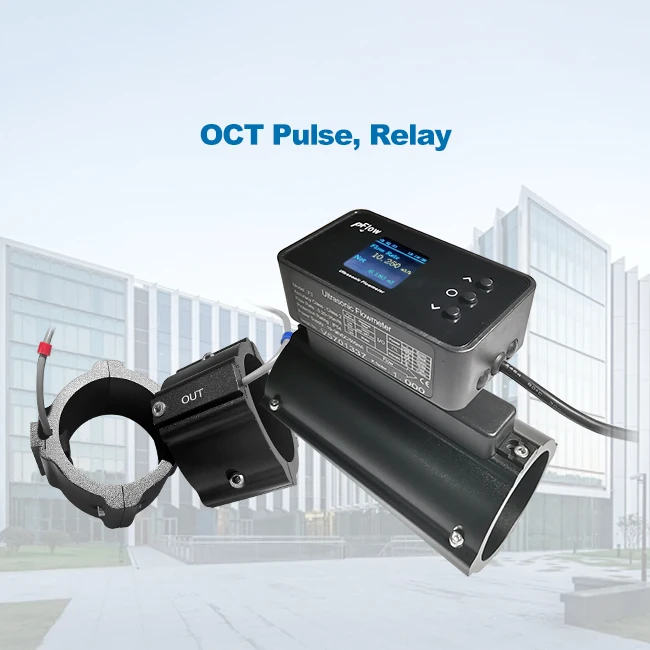
Product Introduction
In HVAC applications, BTU meters are commonly used for the following purposes:
1.Energy monitoring: Hvac btu meter can measure the thermal energy consumption or production in heating and cooling systems. This allows building owners or facility managers to monitor and manage energy usage, identify inefficiencies, and optimize system performance.
2.Heat billing: Hvac btu meter are often used in multi-tenant buildings or district heating systems where individual units or customers need to be accurately billed for their heat usage. BTU meters provide a fair and transparent way of calculating and allocating energy costs based on actual consumption.
3.System optimization: By tracking the thermal energy transfer in different parts of an HVAC system, hvac meter help identify areas where there may be energy losses or inefficiencies. This information can be used to make adjustments and optimize the system for improved energy efficiency.
4.Performance evaluation: Hvac meter can be used to assess the performance of heat exchangers, boilers, and other HVAC components. By measuring the actual energy transfer, system performance can be monitored, and any deviations or issues can be identified for maintenance or corrective action.
5.BTU meters typically consist of temperature sensors, flow sensors, and a calculation unit to compute the energy transfer based on the temperature difference and flow rate of the fluid. They provide accurate and reliable measurements, helping users understand and control their energy usage in HVAC systems.
It's important to select the right BTU meter for the specific application, taking into consideration factors such as the type of fluid (water, steam, or other), flow rate range, temperature range, and compatibility with the HVAC system. Consulting with HVAC engineers or suppliers with expertise in BTU metering can ensure the proper selection and installation of the meter.
Product Parameter
Appearance

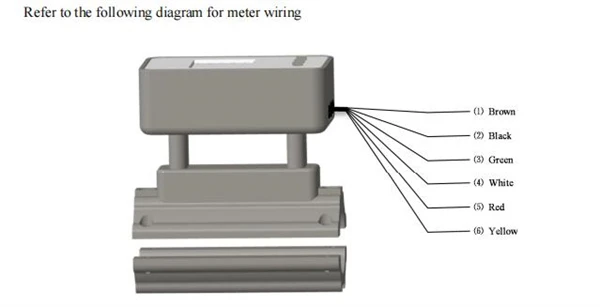
Device Wiring
Technical Parameters
|
Performance Specifications |
|
|
Flow velocity |
0.03~5.0 m/s |
|
Pipe Size |
DN20~DN80 |
|
Measured medium |
water |
|
Pipe Material |
Carbon steel, Stainless Steel, Copper, PVC (According to the user's model selection, the model has been determined at the time of delivery.) |
|
Function Index |
|
|
Input |
2*PT1000 Clamp-on temperature sensor 32~212℉(0~100℃) |
|
Output |
OCT&Relay (for E3RO) |
|
LoRa Communication |
Maximum Transmit Power: 22dBm |
|
Communication Interface |
RS485(standard); Support FUJI Protocol and MODBUS Protocol |
|
Power supply |
10~36VDC/500mA |
|
Keyboard |
4 touch keys |
|
Display screen |
1.44 " LCD colorful screen, resolution 128 * 128 |
|
Temperature range |
Transmitter installation ambient temperature: 14 °F to 122 °F ( –10~50℃ ) Transducer measures medium temperature: 32 °F to 140 °F ( 0℃~60℃ ). |
|
Humidity |
Relative humidity 0~99%, No condensation |
|
Physical Characteristics |
|
|
Transmitter |
Integrated |
|
Transducer |
Clamp-on |
|
Cable |
φ5 six core cable, standard length: 2m |
Applications
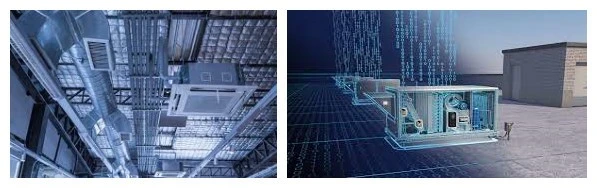
The HVAC BTU meter is utilized to regularly monitor the energy consumption of buildings. It can measure the thermal energy transferred in heating and cooling systems, providing real-time data on energy consumption.
Heat billing: In shared heating systems, such as apartment complexes, hvac btu meter are employed to calculate and allocate the cost of heat energy based on actual usage. This approach ensures that each user pays according to their actual consumption.
System optimization: Hvac meter offer thermal energy measurement data, aiding users in identifying and pinpointing energy wastage or inefficiencies. By analyzing this data, users can implement appropriate measures to improve system efficiency and reduce energy consumption.
Performance assessment: Hvac meter can be used to assess the performance of different HVAC components, such as condensers and heat exchangers. By measuring the energy input and output, the efficiency and potential issues of these components can be determined.
Product Qualification
For more than thirty years, Gentos has consistently delivered exceptional ultrasonic flow meters renowned for their impeccable craftsmanship and competitive pricing. Our unwavering commitment to pioneering innovation and environmentally conscious solutions sets the benchmark for industry standards while ensuring affordability remains uncompromised. Throughout our journey, Gentos has continuously strived to enhance the functionality, quality, and performance of our product range, propelling the industry forward. In the intricate process of product design, we actively seek the invaluable input from our esteemed clientele, recognizing their indispensable contributions in shaping our remarkable achievements.
Company environment display:


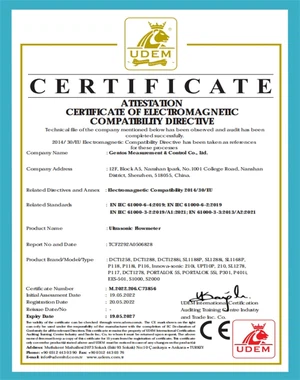
Certificate display:



Deliver, Shipping, and Serving



Shipping
In the pursuit of unparalleled customer satisfaction, Gentos has embraced a rapid delivery system, ensuring prompt product availability. Unwaveringly, Gentos expedites the processing of orders and swift product dispatch within an efficient timespan of 2 to 3 days. Augmented by a diverse range of transportation and express delivery alternatives, Gentos caters to the unique preferences of every customer.
FAQ
Q: What are the installation requirements for hvac btu meter?
A: The installation of hvac btu meter should avoid bubbles, contaminants and liquid turbulence, and ensure sufficient straight pipe sections and suitable inlet and outlet flow conditions.
Q: What is BTU meter in BMS?
A: A BMS is an intelligent system used for monitoring and controlling building equipment and systems. It comprises sensors, controllers, and a network connected to the building equipment and systems. As part of the BMS system, the BTU meter is primarily employed for real-time monitoring of energy usage in different zones, rooms, or units within the building, particularly the consumption of thermal energy.
Q: What is the BTU measuring system?
A: The BTU (British Thermal Unit) measuring system is a unit of measurement used to quantify energy in the form of heat. It is commonly used in the HVAC (Heating, Ventilation, and Air Conditioning) industry to measure thermal energy transfer.
Q: How accurate is a BTU meter?
A: The accuracy of the meter is influenced by its design, components, and manufacturing quality. Higher quality BTU meters generally have better accuracy and reliability.
Proper installation is crucial for accurate measurements. Factors such as pipe alignment, insulating materials, and sensor placement can affect the meter's performance. Following the manufacturer's installation guidelines and best practices is essential.
Q: How do I calculate BTU meter?
A: Determine the indoor and outdoor temperature difference: Measure the desired indoor temperature and the temperature outside the building. The temperature difference between these two points will help determine the heating or cooling load.
Measure the area and volume of the space: Calculate the square footage or square meters of the area that needs to be heated or cooled. Additionally, measure the height of the space to calculate its volume.
Hot Tags: HVAC BTU meter, China HVAC BTU meter manufacturers, suppliers, factory, beer flow sensor, Clamp On Ultrasonic Water Flow Meter, BTU Meter in Chilled Water System, water meter with bms integration, digital flow meter, HVAC BTU Meter