


Product Introduction
- No Piping Damaged & Less Maintenance Cost
- Handheld Portable Ultrasonic Water Flow Meter Pool
- High Precision ±1.0% & High Anti-jamming
- Pipe Size DN25-DN1200mm (1"-48")
The invention of handheld ultrasonic flow meter can be traced back to the early 1980s. At that time, with the progress of science and technology and the development of industrial automation, the demand for fluid flow measurement is increasing. The traditional flow meter has some limitations, such as the need to cut off the pipeline flow, susceptible to changes in the nature of the medium, measurement accuracy is limited.
To overcome these problems, researchers have begun to explore new measurement methods and technologies. Ultrasonic technology, as a non-invasive, high-precision measurement method, has attracted the interest of researchers. Ultrasonic technology utilizes the characteristics of sound wave propagation in fluids, and by measuring the propagation time and speed of sound waves, the flow rate and flow rate of a fluid can be calculated.
Based on ultrasonic technology, researchers have gradually developed various types of flow meters, including handheld ultrasonic flow meters. This type of flowmeter can be easily carried and operated by clamping or attaching the sensor to the surface of the pipe to achieve non-invasive flow measurement.
With the continuous progress of technology, handheld ultrasonic flowmeter in the measurement accuracy, data processing capabilities and portability has been significantly improved. Now, P117 Handheld Ultrasonic Flow Meter has been widely used in various fields, including Industrial Process Monitoring, Energy Management, HVAC, Swimming Pool,Water Management etc.
P117 Handheld Ultrasonic Swimming Pool Flow Meter is a high-precision, non-intrusive flow measurement device realized by using ultrasonic technology on the basis of improvement and innovation of the limitations of traditional flowmeters.
Product Parameter
|
Specifications |
|
|
Flow Rage |
± (0.03~20) ft/s ± (0.01~6) m/s |
|
Accuracy |
± 1.0% of measured value |
|
Repeatability |
0.3% |
|
Pipe Size |
DN25-DN1200mm |
|
Output |
Analog output: 4-20mA, Max 750 Ω |
|
SD Card |
512 files Interval: 1~60 seconds |
|
Power Supply |
Rechargeable Lithium Battery Power (continuous operation of main battery 6 hours |
|
Keypad |
Tactile Keys |
|
Display |
3.5 inch TFT black and white screen( 320 × 240 ), backlit LCD |
|
Temperature |
Transmitter:-10℃~50℃ (-40°F to 176°F) Measuring medium: -40℃ ~80℃ (Standard) |
|
Humidity |
0~99% RH, non-condensing |
|
Transmitter |
NEMA13 (IP54) |
|
Transducer |
Encapsulated design, IP68 Standard cable length: 5m |
|
Weight |
Transmitter:lkg |
Applications
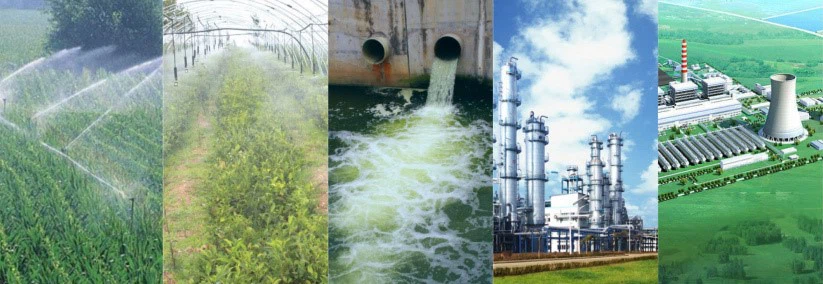
Applications:HVAC,Industrial Wastewater Treatment,Sewage Treatment,RAS,Aquaculture,Environmental Protection & Energy Systems etc.
Humans consume large quantities of water and produce increasing amounts of wastewater. This places greater emphasis on environmentally responsible water treatment and the use of renewable resources. Wasted water presents sustainability challenges, depletes energy reserves, and undermines ecosystem health. Water and wastewater treatment facilities have complex operational processes that involve a wide range of flow measurement tasks. These applications require the highest flowmeter accuracy and reliability, as well as long-term stability and low cost. the Swimming Pool Flow Meter provides non-insertion measurements with simple installation and low maintenance costs. The Swimming Pool Flow Meter can be installed and seamlessly integrated into piping systems or production processes without intervention.
The P117 Swimming Pool Flow Meter is virtually maintenance free and will provide accurate measurement data for many years. Suitable for sizes DN25 to DN1200mm, it is largely independent of medium, pipe material and installation location.
Why Choose Us
Comprehensive System
Gentos operates as a cohesive unit, with all departments working closely together to provide efficient and professional services to our customers.
Professional Solutions
We provide professional solutions to customers with diverse flow meter requirements and limited understanding of flow meter parameters in their applications.
Caring Service
Our technicians are committed to providing prompt and exceptional support to customers, addressing their challenges with efficiency and professionalism.
Technical Expertise
Gentos personnel are certified and our production processes and products meet quality and technical standards.


Things to Know About Swimming Pool Flow Meters
The Importance Of Flow Meters
The swimming pool or spa flow meter is one of the most overlooked but crucial elements inside the commercial pool operator's pump room. This little device will help you understand the overall health of your facility, and in most situations, it is required by your local health department. In this article we are going to explore the following aspects of the swimming pool flow meter:
What It A Swimming Pool Flow Meter And What Does It Do?
First things first, the swimming pool flow meter is a device that measure the speed of your water flowing through your system. This device measures that speed in gallons per minute. Your swimming pool's flow needs to meet minimum requirements in order to stay within operating perimeters in the eyes of the health department. The way you calculate the minimum flow in your pool is as follows:
Pool Volume ÷ 6 ÷ 60 = Minimum Flow (gpm)
There are a couple of features to point out inside this equation. Let's explore those features.
What does the "6" represent? That 6 represents the number of hours it should take for your water to perform a complete turnover. A turnover is explored more in depth in our turnover article, but, simply put, the turnover rate is the time it takes for your pool to push all the water through your filtration equipment 1 time. Most health departments have set a requirement that your pool's turnover occurs every 6 hours. Therefore, this "6" represents the time it takes for your swimming pool to turn over.
Minimum Flow The minimum flow means that this is the slowest your water can move before it falls out of the 6 hour turnover requirement given to us by the health department.
Once you have performed this calculation at your facility, it is good to write it down or display it somewhere within your pump room so everyone can determine if the flow rate in your swimming pool is where it needs to be. You do this by reading the flow meter.
Analog Swimming Pool Flow Meters
The analog, or "old school" flow meter is a transparent plastic housing that stands up on one of the pipes in your pump room. Inside the housing is a metal float. Water flows through the main pipe and pressure from that water then shoots up into the transparent plastic flow meter housing. This method is the old school way of reading the system's flow simply because this method lacks the accuracy of the other flow meter options out there.
Digital Swimming Pool Flow Meters
Digital flow meters are often found inside a facility's automatic chemical controller. These flow meters are accurate and easy to read. They generally show the flow on the main screen of the controller box. It is also just a few presses of a button away on any controller out there equipped with a flow meter.

In-Line Swimming Pool Flow Meters
The in-line swimming pool flow meter provides excellent flow rate accuracy without the cost of installing a digital flow meter. The leading manufacturers are innovating these in-line flow meters so quickly that the prices are becoming more and more affordable year-after-year. This in-line flow meter is one of the leading brands and happens to be one of the more affordable ones available.
Where Should My Flow Meter be Located
The swimming pool flow meter should be installed after the heater (and preferably the sanitation feed system) in order to get the most accurate read. It needs to be installed here to get the most unbiased readings. There are components inside your pump room that will temporarily ramp up speeds or slow them down, so installing the flow meter away from these areas is crucial.
Also, keep in mind the old school analog flow meters also require 6' of straight piping in order to get accurate reads, making the analog flow meter a difficult choice for those operators with small pump room spaces.
Correctly calibrating the pump in a swimming pool can sometimes be tricky. If the speed is too high, the pool owner will be wasting energy by circulating the water in the pool more than is necessary. If it's too low, the pump may not be able to thoroughly clean the pool, leading to dirty and stagnant water. Fortunately, flow meters are a simple solution that can help your customers find the correct flow speed for their pumps.
How Flowmeters Work
Flow meters are designed to measure the amount of liquid that passes through them, outputting the measurement as a function of liters per minute (or another volume/time measurement). These devices typically consist of three components – the primary device, the transducer, and the transmitter. Water will pass through the primary device and be measured by the transducer. The transmitter will then convert that measurement into a readable signal and output it.
Flow meters used in swimming pools are typically installed directly in the plumbing on a long, straight section of pipe.
Benefits of Quality Flowmeters
Quality flow meters that will output accurate measurements of a swimming pool's rate of circulation make it easy to adjust the speed of a pump to the desired rate. By optimizing the speed of a swimming pool's pump, flow meters enable pool owners to keep their swimming pool fresh and clean while at the same time conserving a lot of energy and increasing the lifecycle of their pump. For these reasons, having a quality flowmeter in place is a necessity for a lot of people, and they are the perfect complement to a great pool pump.
Why Should You Use a Pool Flow Meter?
The significant benefit of installing a pool flow meter on your pool is that, at a glance, you can see if something is affecting the circulation of your pool water. Good circulation is essential for a few reasons.
First, your pool water should routinely and thoroughly cycle through the filtration system. This circulation is how you ensure that the filter media mechanically filters all your water.
Larger debris will end up in your skimmer baskets, and your filter will catch smaller debris. If you have poor circulation, you will have to run your filter for much longer to complete filtration.
Second, good circulation will ensure that your pool's water receives adequate sanitization. The sanitizing chemicals you use need to be well-distributed to kill any contaminants.
It doesn't matter if you have a saltwater chlorine generator, liquid or tablet chlorinator, ozonator, or UV sanitizer. Good circulation helps expose all of the water in your pool to your sanitizing agents, ensuring that all water is treated adequately.
Finally, good circulation is essential for maintaining the temperature of your water. Even without a heating system, the sun's energy will warm the surface water of your pool.
Without adequate circulation, the colder water on the bottom might never mix with the warmer air on top, making swimmers uncomfortable. Furthermore, if you have installed a pool heating system, you want to ensure that it heats all of the water and not just some of it .
Other Considerations When Purchasing a Pool Flow Meter
To choose the proper flow meter for your pool, you need to know your pipe size and what it's made of. Most swimming pools feature PVC plumbing, so the material will be less of an issue to figure out than the size.
The pipe size matters because it is part of the equation determining your flow rate. Your pool pump sucks the water out of your pool, pulling it into the skimmer. Then it travels through your pipes and into the pump. The pump pushes the water out and into the filter.
The water in the filter is pressurized and forced through your filter media. Most filters have a little gauge that shows the pressure reading, so you can determine when it is dirty and needs cleaning.
Finally, the filtered water passes through any 'downstream' equipment like heaters or sanitizers and returns to your pool. If your pipes are smaller, it will force the water to move faster. So, there are flow meters optimized for different-sized pipes.
There are also models specified for the orientation of the pipes you are mounting them to. For example, if your pipe run is vertical, you need a sensor that works vertically. And you would want a sensor that works horizontally for a horizontal pipe.
How to Read a Pool Flow Meter
Reading a pool flow meter usually means just glancing at the gauge or display. Some rare high-end systems might have a remote display that you can access from a panel inside your home or even your smartphone or computer.
You will likely need to go to where the flow meter is installed and look at what it says. A digital meter will show you a number.
The much more common inline or analog models have a simple gauge with an indicator bar that shows your water flow rate, usually in gallons per minute (GPM).
Most swimming pools should be in the 30 to 45 GPM range, but it varies by size and design. To calculate the minimum flow your water should be moving for an 8-hour water turnover rate (3 complete turnovers a day), use the following formula:
Pool Volume x 3 / 24 / 60 = Minimum Flow (GPM)
Similarly, for a 6-hour water turnover rate (4 complete turnovers a day), use:
Pool Volume x 4 / 24 / 60 = Minimum Flow (GPM)

How to Install a Swimming Pool Flow Meter
The exact steps for installation vary by the type of sensor you are installing. Check out my entire article on how to install a pool flow meter for more detailed instructions and links to popular pool flow meter installation manuals.
Analog Flow Meter Installation
Step 1: Carefully measure the insert on the end of the meter. Follow the manufacturer's instructions to use the right-size bit for your drill.
Step 2: Drill a hole into your pipe.
Step 3: Use the clamp on the meter to hold it in place.
Digital Flow Meter Installation
Follow the same steps as the analog flow meter for a digital flow meter.
As an additional step, it will need to be connected to power and possibly hardwired to your other pool systems, depending on the model.
Inline Flow Meter Installation
Step 1: Cut out a section of the pipe large enough to accommodate the installation.
Step 2: Using additional slip fittings or unions, rebuild the run of the pipe from one cut to the new flow meter and out the other side.
How do you Set a Swimming Pool Flow Meter?
Setting a swimming pool flow meter involves several steps to ensure accurate measurement of water flow within the pool system. Follow these guidelines to properly set your flow meter:
Prepare the Area: Ensure that the area around the flow meter is clear, and you have access to the flow meter and the pump control.
Locate the Flow Meter: Find the flow meter in your pool system. It is typically located near the return lines where the water comes back into the pool after being filtered.
Inspect the Meter: Before setting the meter, inspect it for any visible damage, debris, or blockages. Clean the meter if necessary to ensure proper operation.
Turn on the Pump: Start the pool pump and allow the water to circulate through the system. Make sure the pump is running at its normal operating speed.
Adjust the Valves: If your system has multiple valves, open all valves to ensure full water flow through the flow meter.
Set the Flow Meter: Locate the adjustment mechanism on the flow meter. It could be a screw, a lever, or a knob. Turn the mechanism to calibrate the meter to the desired flow rate. For example, if you want the flow to be 4,000 gallons per hour, set the meter to read 4,000 GPH.
Use Calibration Markings: Many flow meters have calibration markings that indicate the flow rate at different settings. Ensure that the meter is set according to these markings.
Check the Reading: Once the meter is set, check the reading to confirm that it matches the required flow rate. Adjust further if necessary.
Maintain Consistent Flow: After setting the flow meter, make sure that any future adjustments to the system, such as changing filters or cleaning the pump, do not alter the flow rate significantly.
Regular Maintenance: Periodically check the flow meter to ensure it remains properly calibrated. Cleaning or replacing parts of the flow meter as needed will help maintain its accuracy.
Consult Documentation: Refer to the manufacturer's instructions or documentation that came with the flow meter for specific guidance tailored to your model.
Remember that improperly setting the flow meter can lead to inefficient filtration or overworking of the pump. Always follow best practices and consult professional advice if needed.
How do I Know if my Flow Meter is Accurate?
To determine if your flow meter is accurate, you can perform a series of checks and tests:
Calibration Certificate
Verify that the flow meter has a valid calibration certificate from a recognized calibration laboratory. This document should confirm that the meter has been tested and found to measure within acceptable accuracy tolerances.
Zero Check
Ensure that the meter reads zero when there is no flow. If there is a constant reading, there may be residual pressure or a fault in the sensor.
Span Check
Test the full range of the meter's measurement capabilities to ensure that the readings span the entire calibrated range accurately.
Flow Rate Verification
Compare the flow meter's readings against a known flow rate, using a precision flow standard or another calibrated meter. This can help identify discrepancies in the readings.
System Compatibility
Confirm that the flow meter is compatible with the fluid being measured. Incompatibilities can lead to inaccuracies due to chemical reactions or physical damage.
Installation Effects
Assess whether the installation of the flow meter could be affecting accuracy. Factors such as straight pipe runs before and after the meter, pipe size, and flow disturbances can impact accuracy.
Environmental Conditions
Consider any environmental conditions that could influence the meter's accuracy, such as temperature, pressure, or electromagnetic interference.
Performance Checks
Regularly perform performance checks to monitor the meter's accuracy over time. This can involve periodic testing against a reference meter or using flow standards.
Maintenance Record
Keep track of the flow meter's maintenance history. Proper maintenance, including cleaning, recalibration, and replacement of parts, is crucial for maintaining accuracy.
How do You Measure Pool Water Flow?
Measuring pool water flow can be done using a few methods. Here are some common approaches:
Flow meter: You can install a flow meter specifically designed for measuring water flow in pipes or hoses. This could be an inline flow meter or a turbine flow meter. These devices measure the volume of water passing through and give you a direct measurement of the flow.
Bucket and timer method: This is a simple but manual way. Fill a known volume of a bucket with water from the pool pump or filter. Then, time how long it takes to fill the bucket. By dividing the volume of the bucket by the time, you can estimate the flow rate.
Pipe diameter and velocity measurement: If you know the diameter of the pipe or hose carrying the pool water, you can measure the velocity of the water flow. This can be done using a flow sensor or by calculating the velocity based on pressure drop or other measurements. Then, multiply the velocity by the cross-sectional area of the pipe to determine the flow.
Professional testing equipment: Some pool service companies or water testing labs have specialized equipment to measure pool water flow more accurately.The method you choose will depend on the specific setup of your pool and the level of accuracy you need. It's also a good idea to consult with a pool professional or follow the manufacturer's guidelines for your pool equipment. Measuring pool water flow can help you optimize your pool's performance, ensure efficient filtration, and manage water usage.
Gentos Measurement & Control Co., Ltd is a leading manufacturer of ultrasonic flowmeters with over three decades of experience in fluid measurement.
Our pFlow brand has gained a strong reputation and is highly regarded in Asia, Europe, and America. Gentos Product line includes Clamp on flowmeters, BTU meters, IoT Ball Valves, providing versatile solutions for various applications.
Hot Tags: swimming pool flow meter, China swimming pool flow meter manufacturers, suppliers, factory, Ultrasonic Flowmeter Clamp On Type, Swimming Pool Flow Meter, MeterTube Platform, Smart Water Flow Meter, ultrasonic btu meter, Clamp On Ultrasonic Water Flow Meter